Most passengers use VIP transportation services without knowing any protocol — and that's okay. A professional driver takes on the burden of the etiquette. But if you want to know how it works from the rules side — here's a short guide.
Who takes which place?
Protocol rule
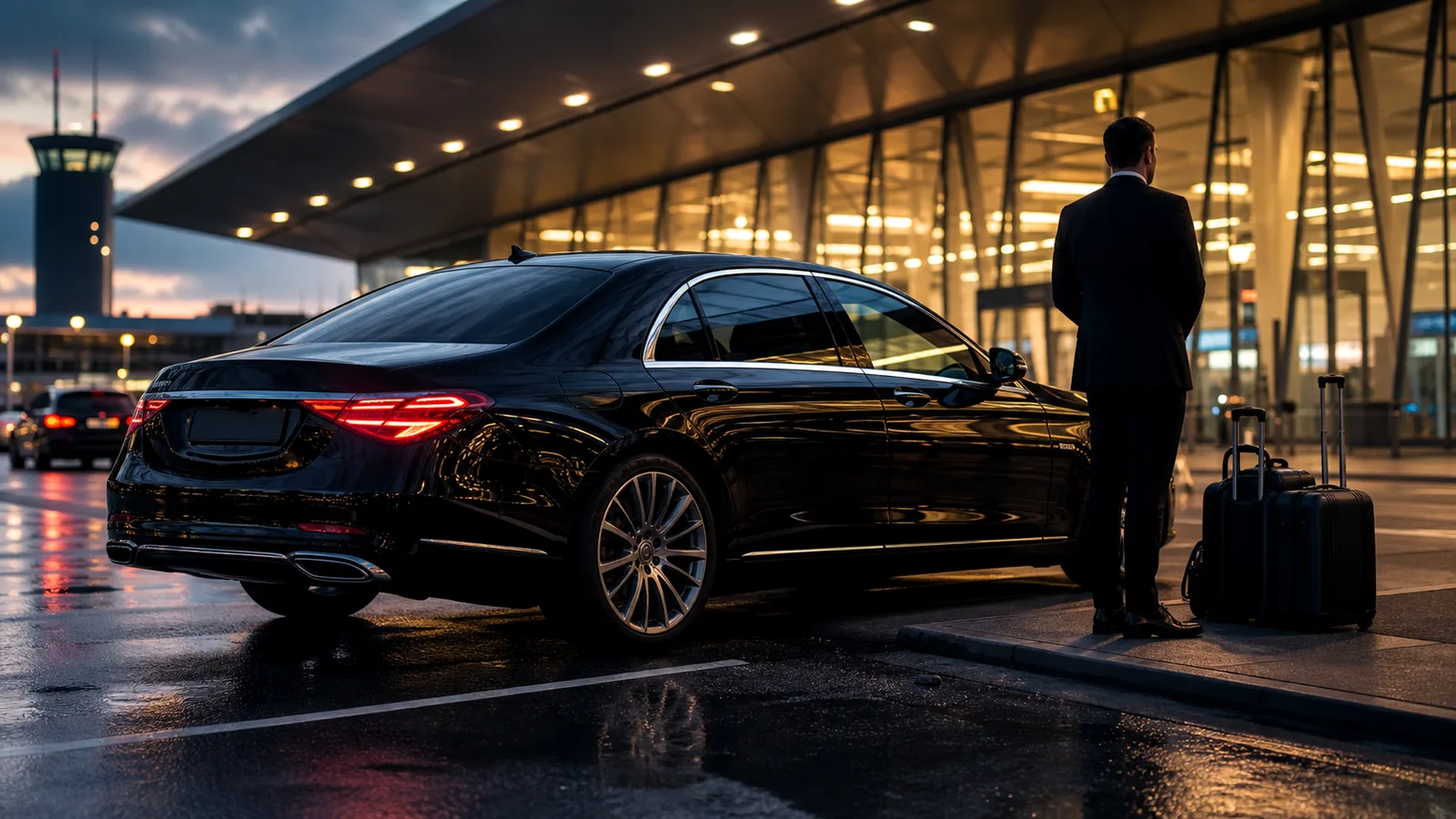
In diplomatic and corporate protocol, the most important person occupies the right rear seat — behind the passenger seat. This results from the direction of entry: in countries with right-hand traffic, the door facing the pavement opens on the right side of the rear seat.
For delegations with a hierarchy: VIP — rear right, assistant or person number two — rear left. The middle seat on the rear seat is reserved for a third person or left empty.
EliteMotion in practice
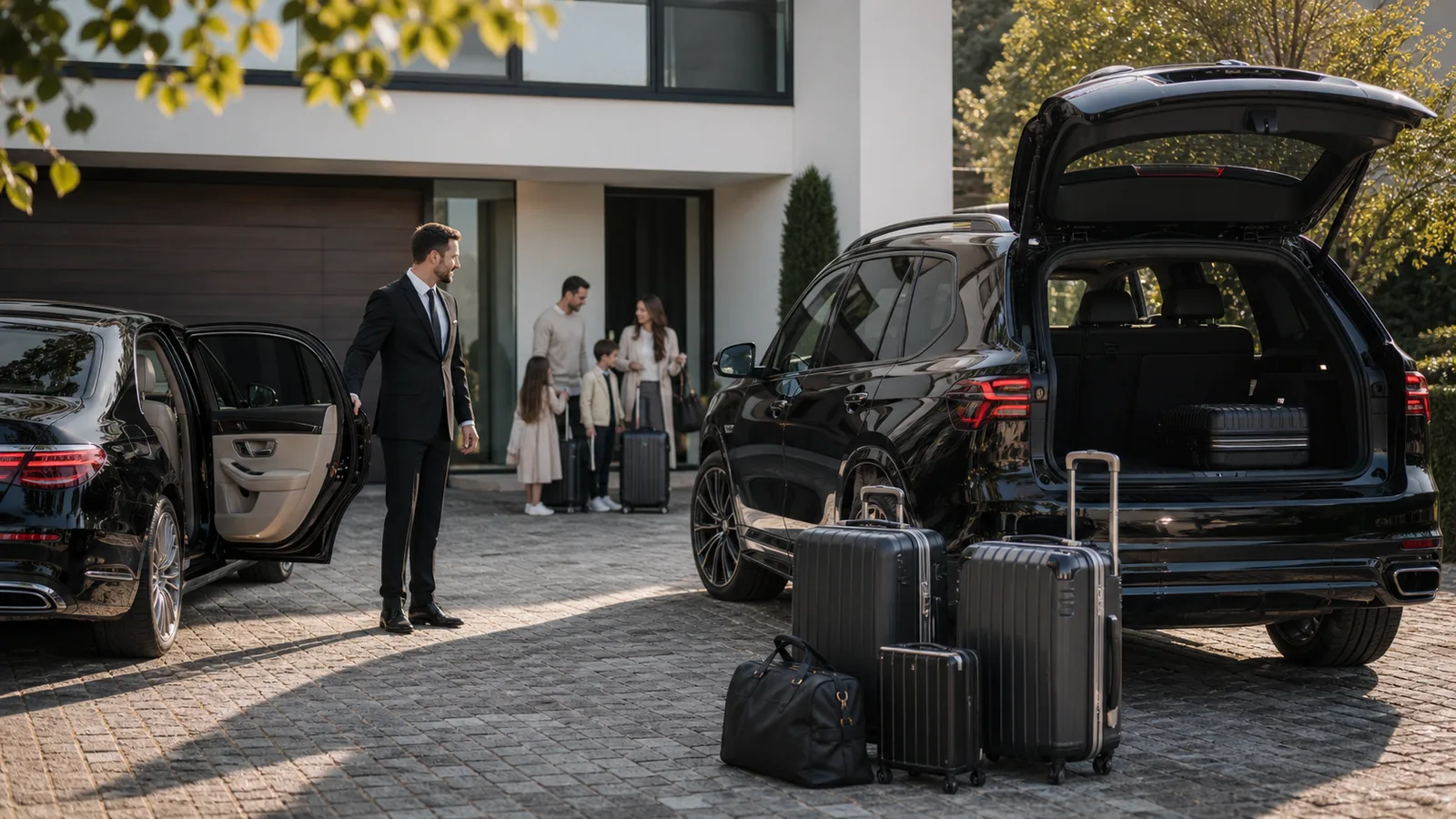
The driver always opens the right rear door — regardless of whether the passenger knows the protocol. The person getting on decides where he will sit. The driver does not correct this decision.
Entering and exiting — small, important gestures
When getting into a limousine, you don't bow your head — you enter sideways and lower yourself into the seat. An experienced passenger does this smoothly, without leaning on the body. In a representative rental, when your contractor is observing — these few seconds create the first impression.
When getting off: the driver opens the door, you get out. You don't grab the door handle from the inside before the driver has a chance to approach — this is a signal that you are in a hurry or are dissatisfied with the service.
Talking to the driver — what's right
A quick "hello" and confirmation of the route — absolutely appropriate. Asking about your day, commenting on the traffic situation, asking about the driver as a person — it's up to you to take the initiative. A good driver will respond warmly, but won't pursue the topic if you don't want to continue.
Topics to avoid: complaining about previous drivers, commenting on other companies, asking for opinions on politics or religion. The driver is discreet — but that doesn't mean he's willing to listen.
Phones and business calls
You can talk on the phone without any explanations — it's your space. You don't have to say "sorry, I have to answer." The driver automatically calms down and concentrates on driving.
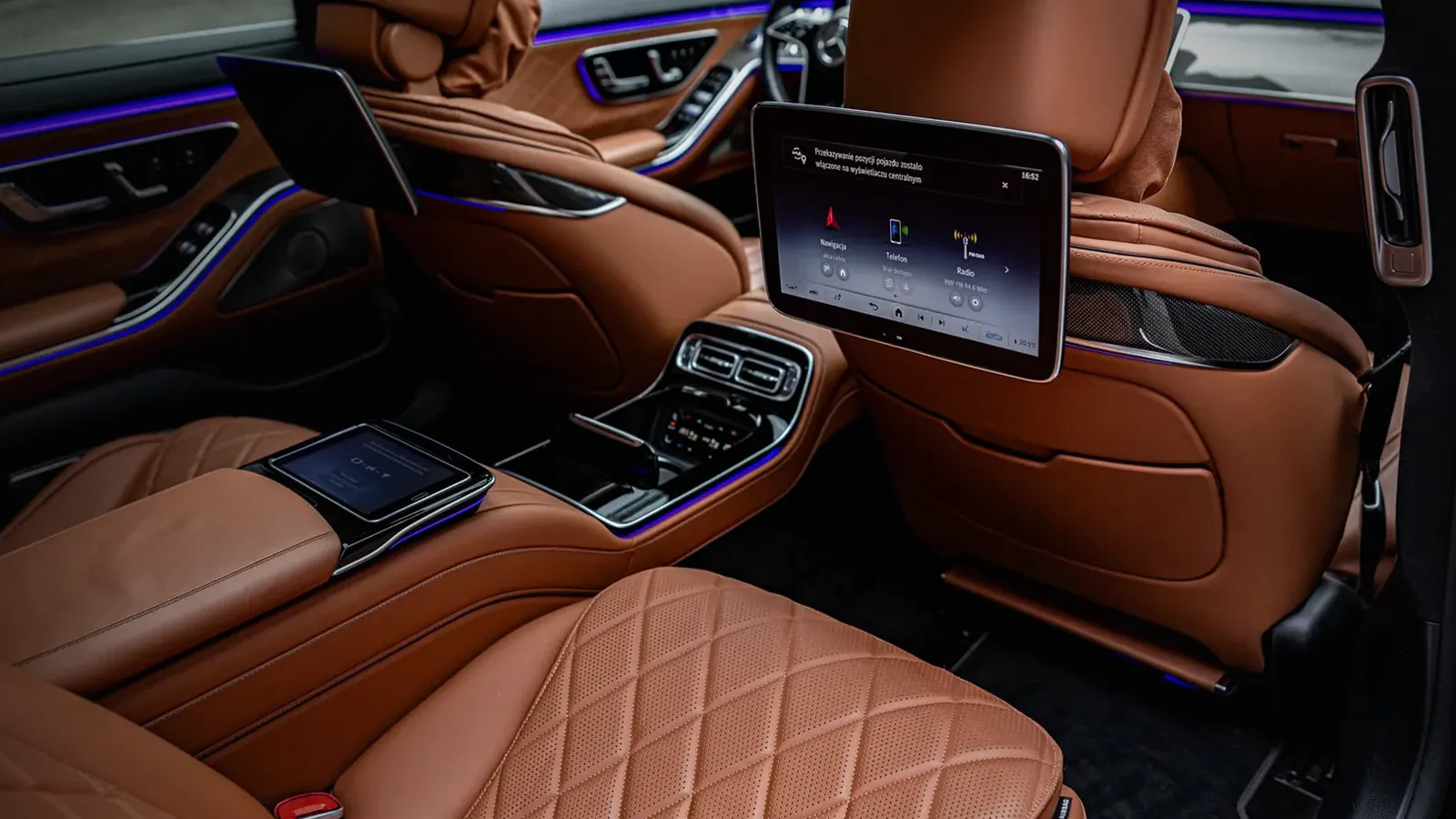
For confidential calls: the window between cabins (if present) can be raised upon request. In our vehicles, just tell the driver — it will provide acoustic privacy.
Tip — if so and how much?
In Poland, tipping a VIP driver is not obligatory — unlike in English countries. If the order was exceptionally successful or the driver provided an above-standard service (he returned with a forgotten item, waited 3 hours without a word of complaint) — the gesture is appreciated, but never expected.
The best compliment for a VIP driver? Return. And a phone call the next time I go to Berlin.

Premium chauffeur service based in Poznań, Poland. We provide luxury chauffeured transport for private, business and corporate clients across Poland and Europe.