In psychology, we talk about the first impression effect — the decision about whether we trust someone is made in the first seconds of contact. In VIP transport, the same applies to the entire journey. The first 30 seconds sets the passenger's expectations for the following hours.
Seconds 1-5: I see the driver
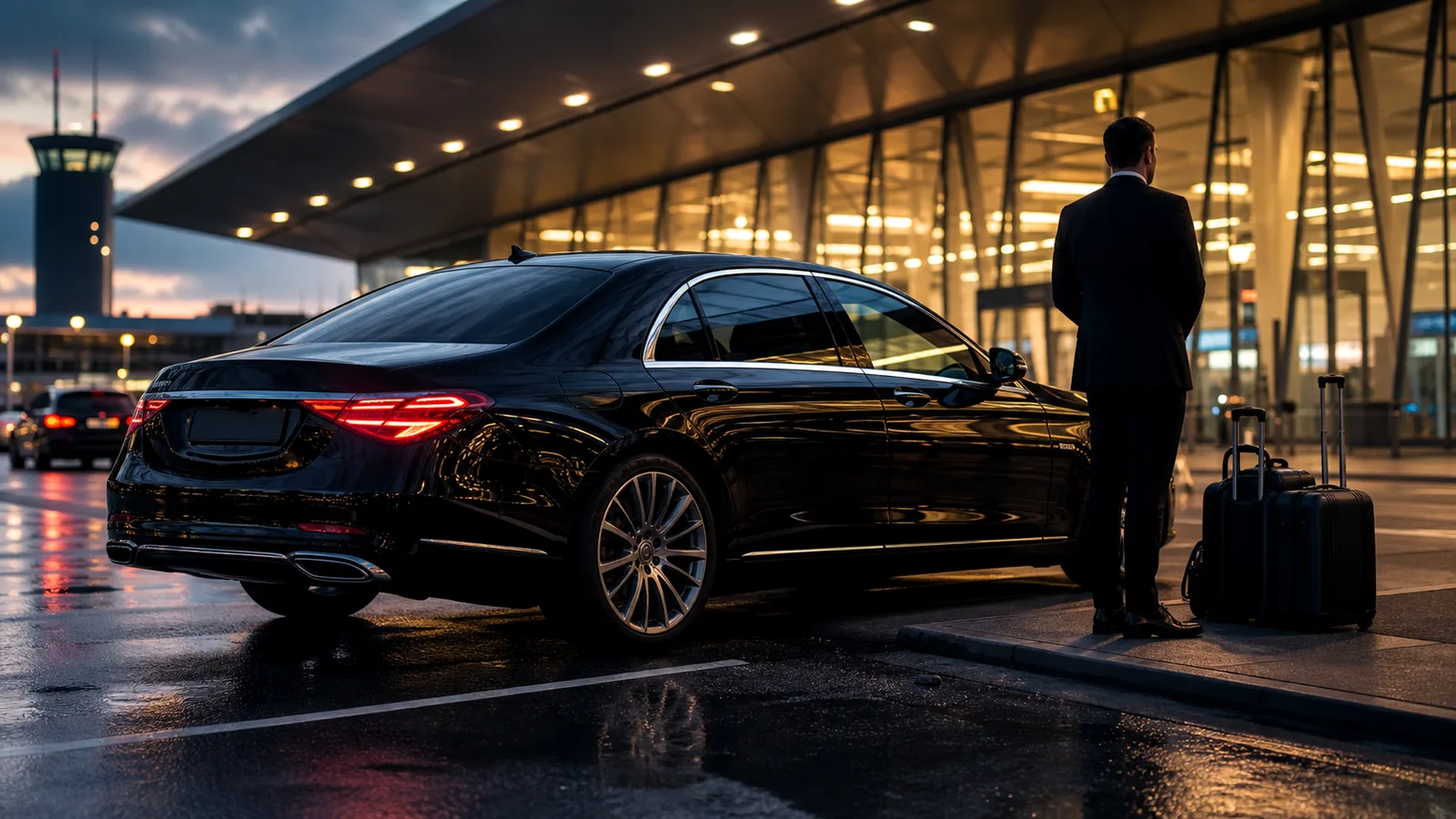
Before the passenger says a word, he sees a person. Suit or casual dressing. Standing at the door or sitting behind the wheel with a phone. Looking into the eyes or looking at the ground. Natural or forced smile.
These few seconds give the passenger information: "I am expected" or "I am on my next journey". A good driver communicates this first.
Seconds 6–12: Opening the door
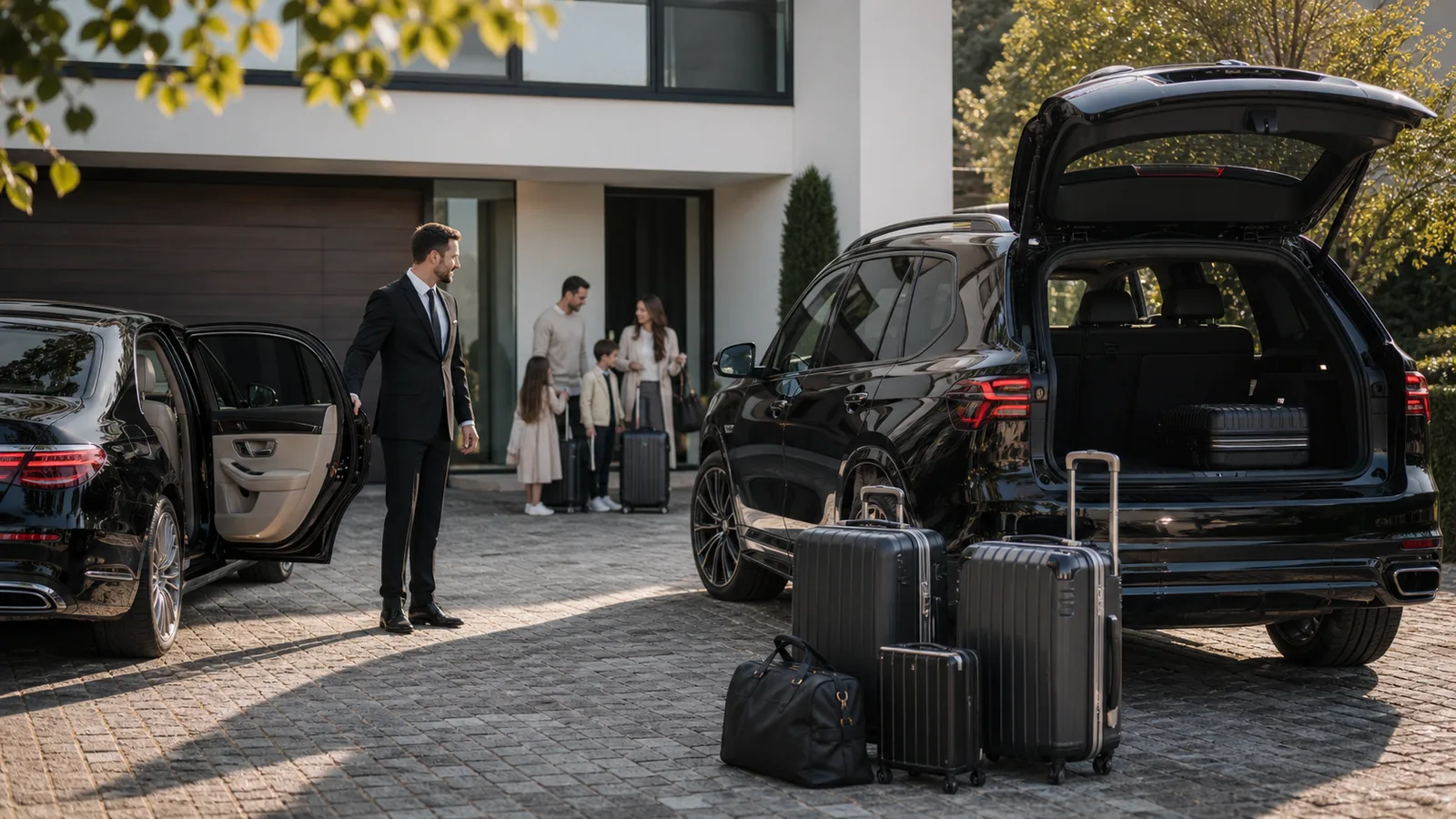
The driver approaches, opens the door, steps back slightly, giving space to enter. He doesn't stand too close. He doesn't say "please" in a theatrical way. It just opens — and that's enough.
If you had to teach one thing to a new driver: open the door before the passenger reaches for the door handle.
Seconds 13–20: Entering the vehicle
The passenger boards. The driver closes the door gently — he doesn't slam it, he doesn't apologize for knocking twice to check if it's locked. One attempt, sure, calm.
If a passenger has luggage, the driver actively takes it over. He doesn't wait to ask.
Seconds 21–30: First words
The driver gets behind the wheel. „Dzień dobry, jedziemy do [potwierdzenie adresu]?" — one sentence, target verification, eye contact in the rearview mirror. The end.
No: "how was it, how was the trip, how long was it in Poznań?" Confirmation of the route — and we're off.
Why are these 30 seconds more important than the next 2 hours
The passenger's brain creates a model of the entire journey in the first 30 seconds. If the model is positive — minor imperfections in the process (a slight traffic jam, a minute delay) are ignored. If the model is negative, every little thing confirms the first impression.
A driver who starts well has confidence throughout the journey. A driver who starts badly has to work twice as hard for the rest of the course — and rarely makes up for it.
30 seconds of investment in first impression pays off for every subsequent hour in the car.

Premium chauffeur service based in Poznań, Poland. We provide luxury chauffeured transport for private, business and corporate clients across Poland and Europe.