The first rule we teach new drivers is not "be polite" — that's obvious. It reads: don't initiate the conversation. Sounds simple. In practice, it is one of the most difficult to apply consistently.
Why silence is part of the premium service
A VIP passenger is usually someone who is surrounded by people talking to them all day long. Co-workers, clients, phones, meetings. The car is one of the few moments when he can simply be alone with his thoughts.
The driver who starts with "how's your day?" or talks about traffic jams on the beltway, he steals the moment. Even if he does it with good intentions.
Three situations in which the driver is always silent
1. The passenger works
Laptop open, phone to your ear, eyes on documents — this is an absolute signal. No comment, no question, not even about the route. If the route changes — a text message or a silent inquiry at an intersection when the passenger looks away from the screen.
2. The passenger is sleeping or I am resting with my eyes closed
Air conditioning, music if it was turned on before, no sudden braking. And silence. Waking up a passenger because "we are almost there" is unacceptable. The passenger will open his eyes.
3. The passenger conducts a telephone conversation or video conference
The driver does not laugh at funny moments and does not react to the content. He is absent. Technically present — morally invisible.
When can a driver speak?
There are exactly a few times when speaking is appropriate:
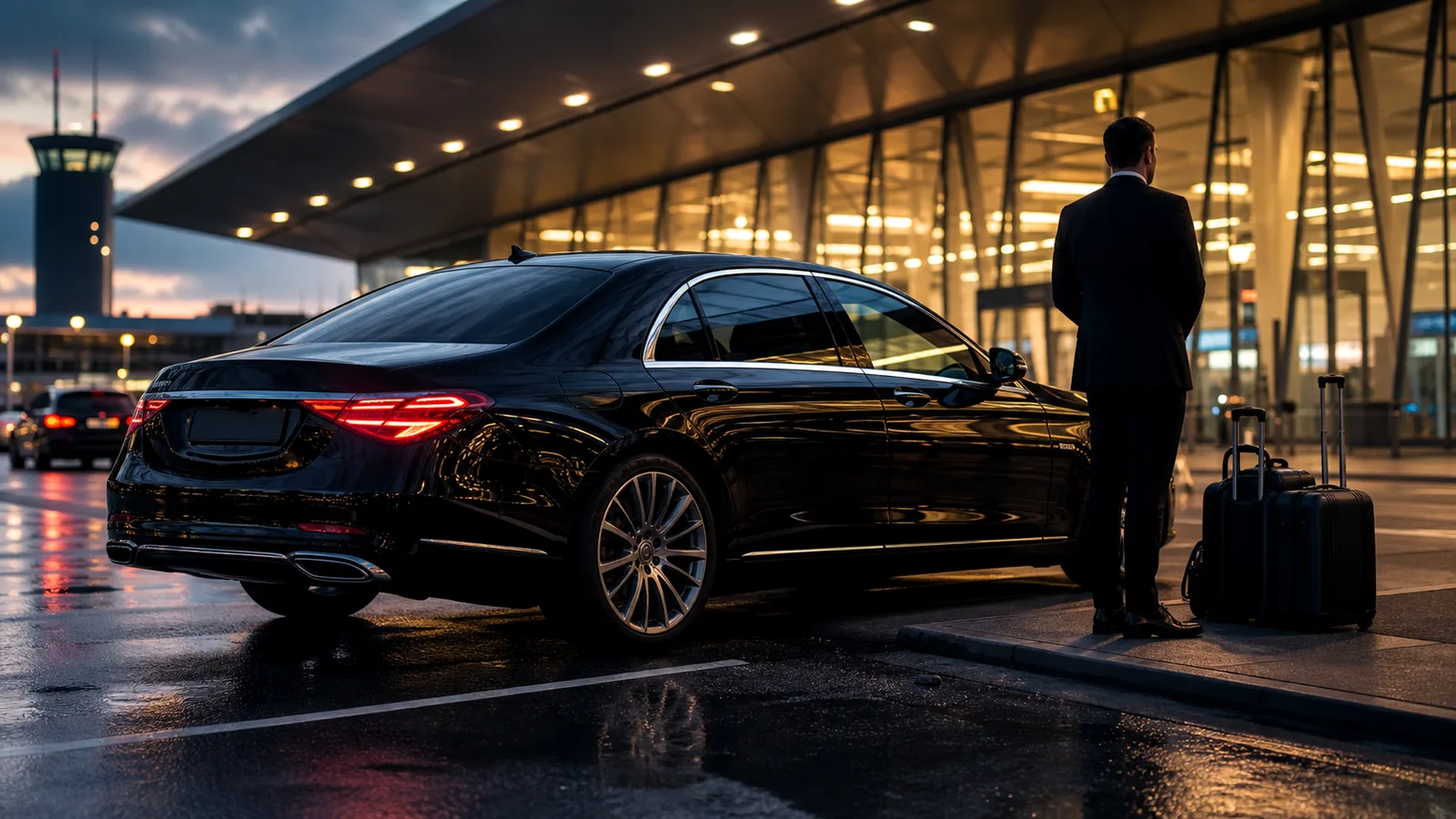
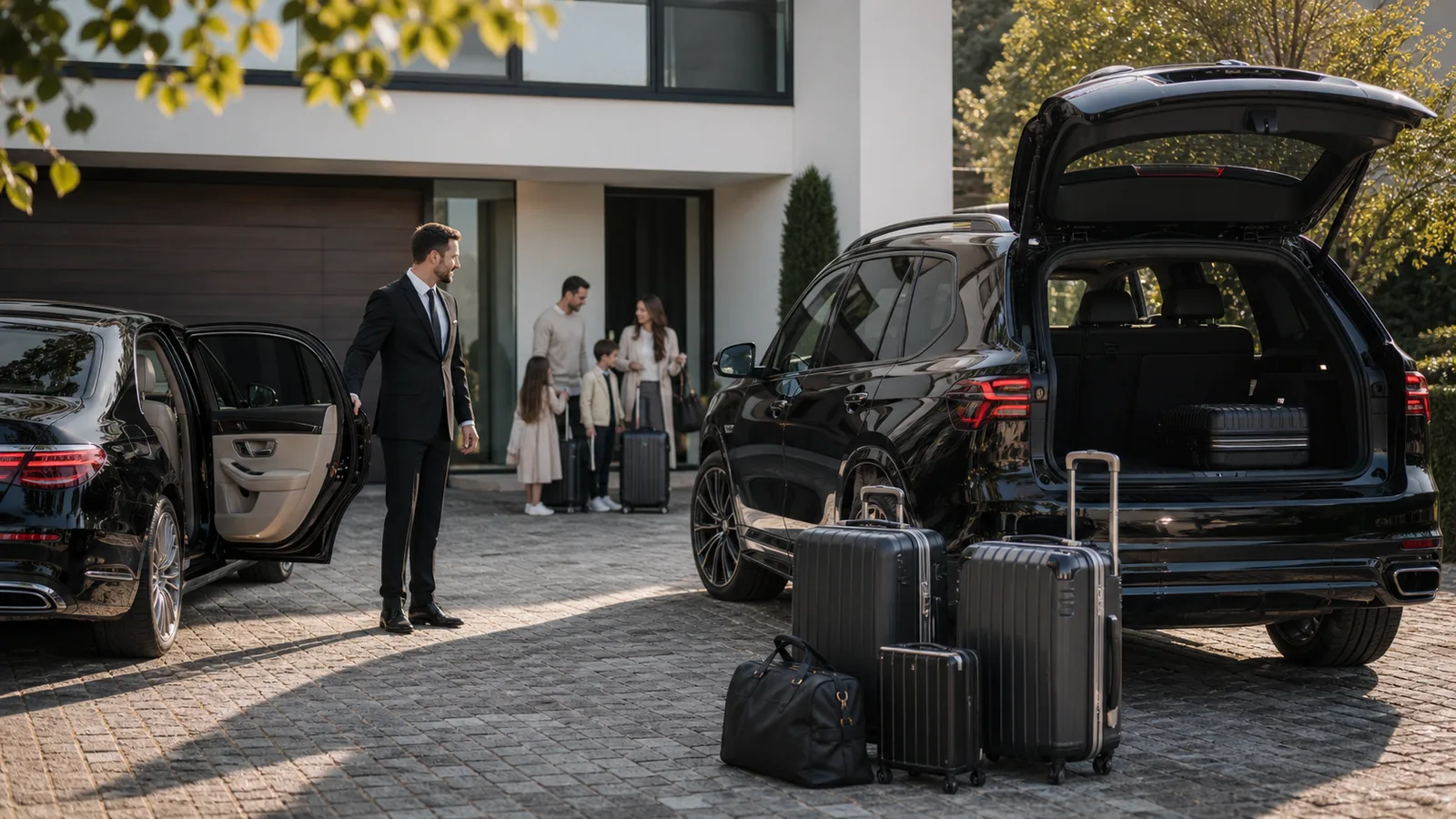
- Greeting — short, warm, without exaggeration. "Good morning, Jan Kowalski — EliteMotion." Not "nice to meet you, how was the journey from London?"
- Reroute or delay — neutral information, one sentence. "The ring road is closed, we go alternatively through Starołęka, we will arrive on time."
- Ask about preferences — only once, at the beginning. "Is the temperature okay?" Not every 10 minutes.
- Security — always. "Please fasten your seat belt" is always the right moment.
How to read a passenger
An experienced driver reads the passenger in the first 60 seconds. The way you enter the car, the tone of greeting, whether you immediately reach for the phone — this is all information. Someone who gets in with a big smile and asks "how's your day going?" — signals that he is open to conversation. Someone who gets in, nods his head and looks out the window — wants silence.
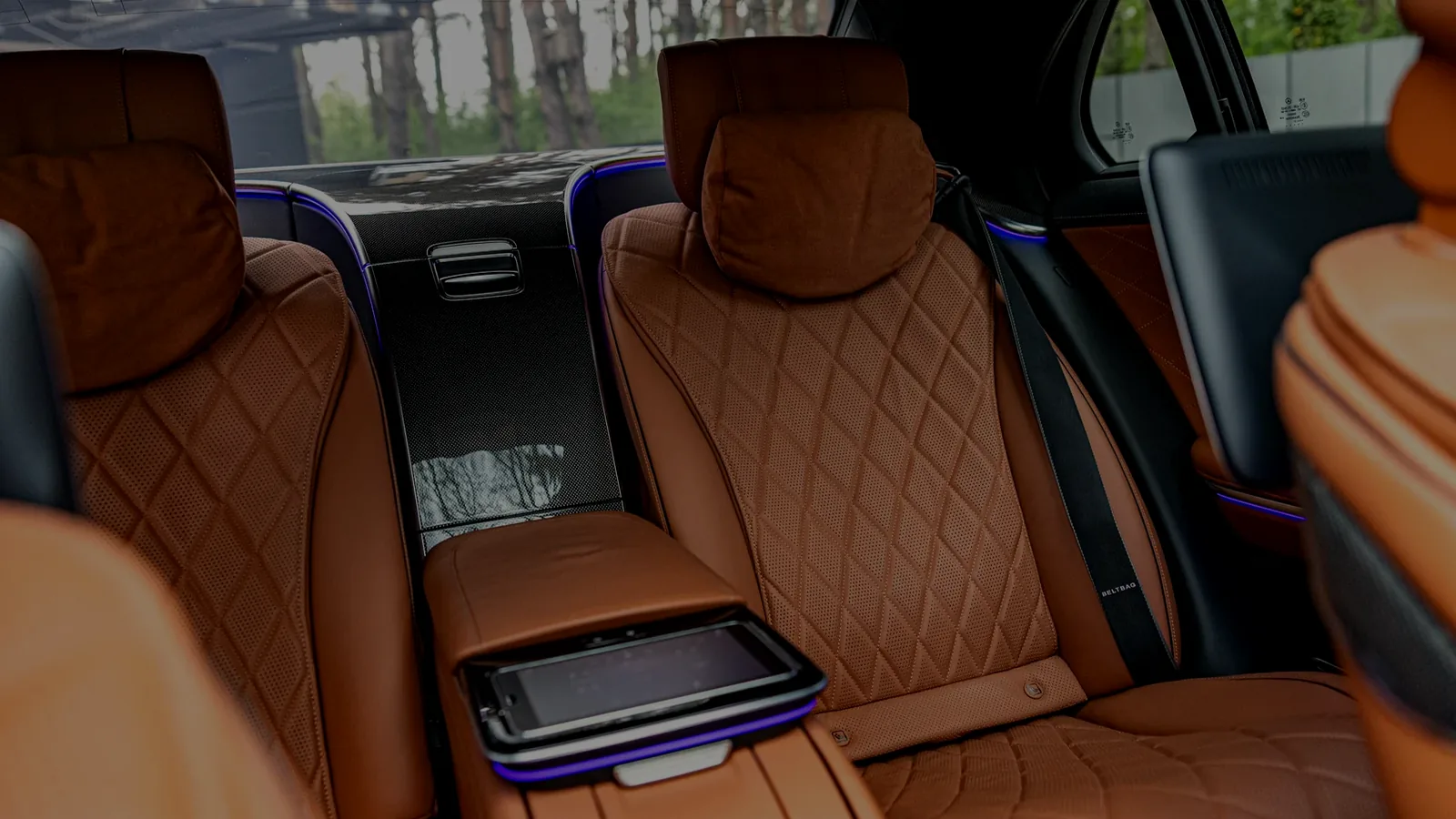
Luxury is not only leather armchairs. Luxury is space – physical and emotional. A good driver does not occupy it without invitation.
What about long routes?
On the Poznań-Warsaw route (3 hours), constant silence may be uncomfortable for some passengers. This is where background music comes in handy — discreet, without a dominant tempo, at a level of 15-20% of the volume. It fills the space without being obtrusive.
Do you want to check what it looks like in practice? Book a test ride.

Premium chauffeur service based in Poznań, Poland. We provide luxury chauffeured transport for private, business and corporate clients across Poland and Europe.